 Košarica




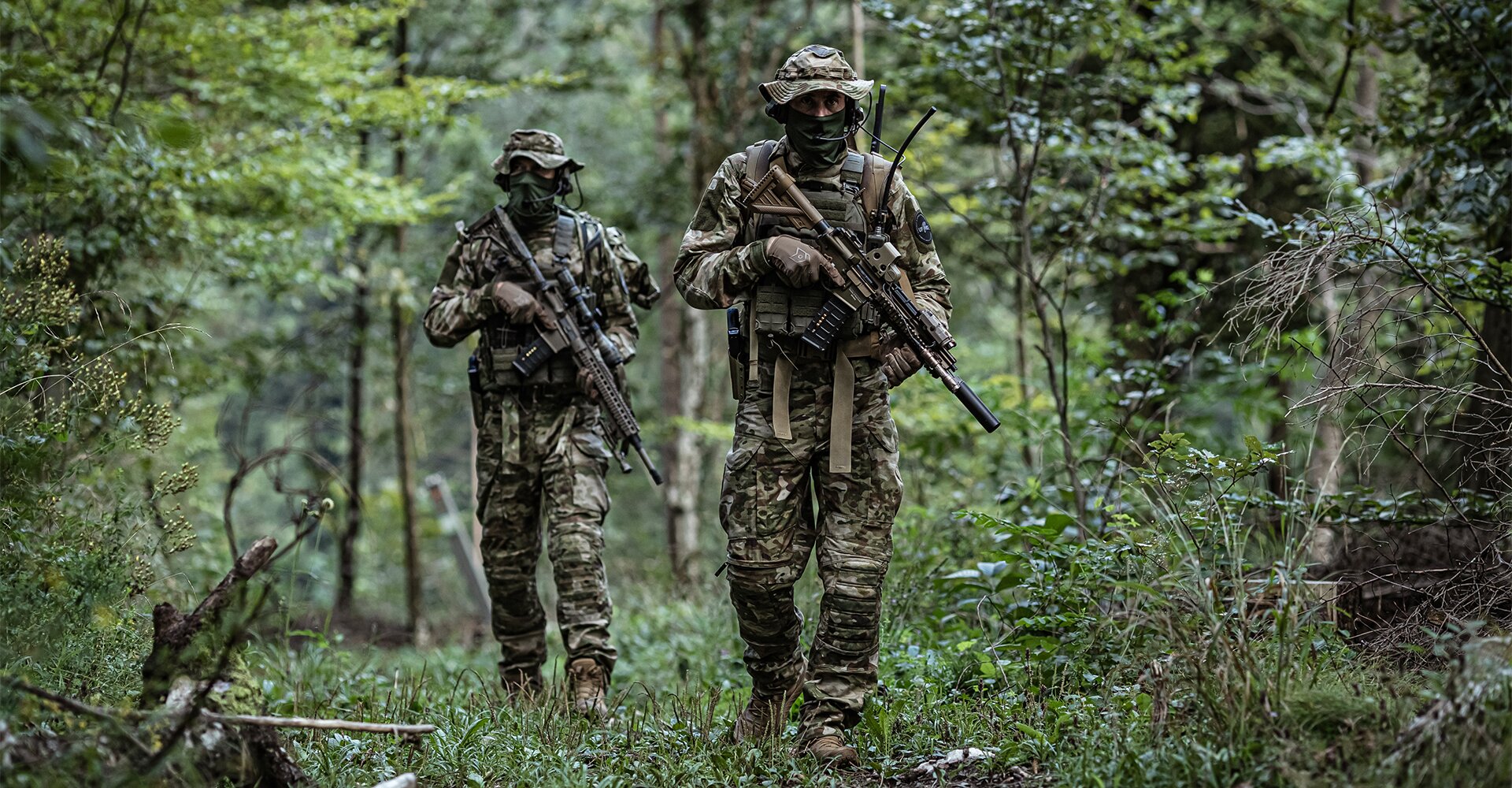
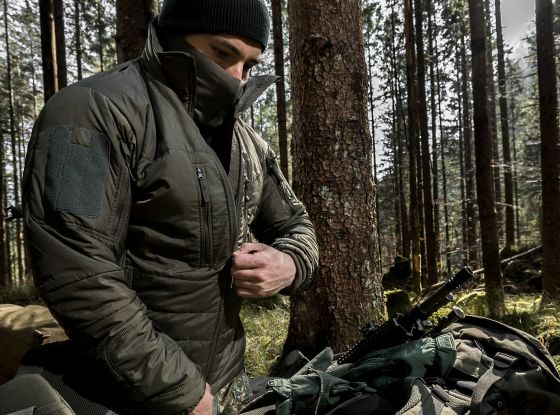
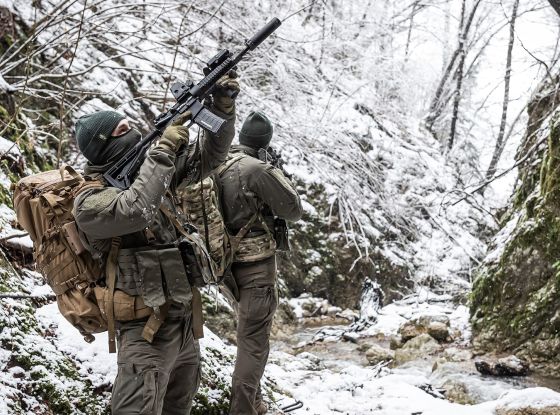
Standing in the staging area at 05:00, the air feels like winter. By 10:30, after a five-kilometer movement under load beneath a clear sky, it feels like mid-July.
This is the spring paradox.
In this blog post:
- Mistake #1: Dressing for the Brief Instead of the Movement
- Mistake #2: Using Waterproof Shells as Your Main Wind Protection
- Mistake #3: Holding Onto Heavy Winter Base Layers Too Long
- Mistake #4: Forgetting About Your Head and Hands
- Mistake #5: Waiting Until You Are Hot to Open Your Vents
- Mistake #6: Ignoring Lower-Body Heat Build-Up
- Mistake #7: Prioritising Looks Over Performance
- Conclusion
One moment you are static behind cover, cooling down in the wind. The next, you are pushing uphill with a loaded pack, building heat faster than your clothing system can handle. During spring, most performance problems do not come from extreme cold or heavy rain. They come from poor moisture management, bad ventilation, and the wrong layering decisions.
If you are treating your spring setup like a lighter version of winter, you are already behind the curve.
Spring tactical layering is less about insulation and more about adaptability. Conditions shift fast. Your clothing system needs to shift with them.
Here are the most common spring layering mistakes operators make in the field and how to avoid them.
Mistake #1: Dressing for the Brief Instead of the Movement
A cold morning briefing makes it tempting to throw on extra insulation before step-off. That usually works for about twenty minutes.
Why It Is a Problem
The moment movement starts, your body temperature rises fast. Add elevation gain, direct sunlight, repeated drills, or load carriage, and insulation that felt comfortable while static quickly becomes excessive.
Once sweat starts soaking your base layers, every halt, security stop, or exposed position starts pulling heat away from your body.
Overheating early in the mission almost always leads to poor temperature control later in the day.
The Fix
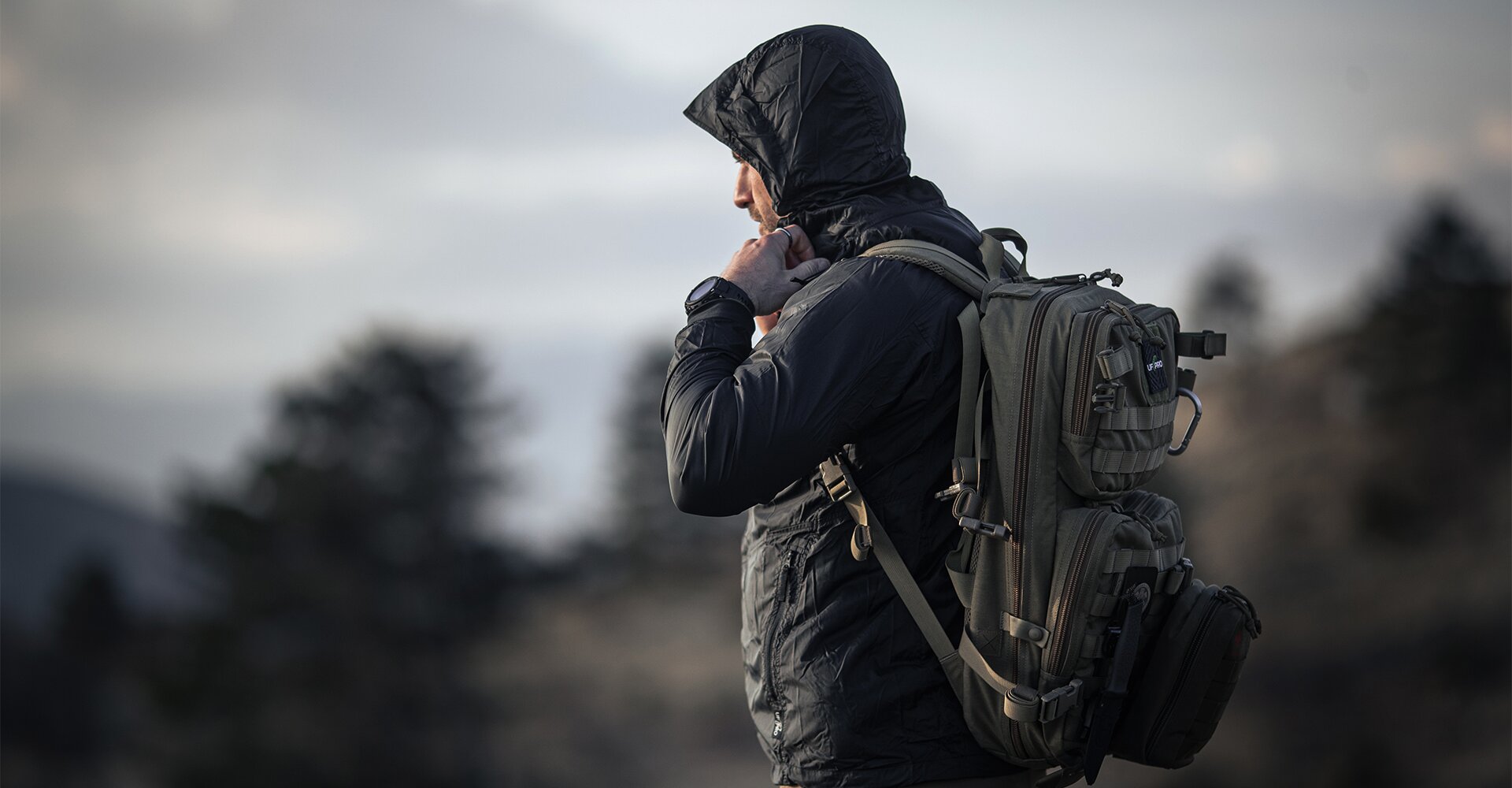
Dress for sustained movement, not for standing still. A good rule to follow is the “start cold” principle. If you feel perfectly warm before movement starts, there is a good chance you are overdressed. A slight chill during prep is usually better than overheating thirty minutes later.
Mistake #2: Using Waterproof Shells as Your Main Wind Protection
The moment spring wind or light rain appears, many people immediately throw on a waterproof shell and keep it on for the rest of the day.
Why It Is a Problem
During spring conditions, moisture usually comes from inside your clothing system, not outside.
Under movement, even high-end waterproof membranes can struggle to release heat and humidity fast enough. The result is trapped condensation, overheating, and wet insulation layers underneath.
You stay dry from the rain while getting soaked by your own sweat.
This is one of the most common tactical layering mistakes during spring field operations.
The Fix
Use breathable outer layers whenever conditions allow it.
A high-breathability tactical softshell blocks wind while allowing body heat and moisture to escape far more efficiently during movement. Softshell systems also adapt better to fluctuating spring temperatures compared to heavy waterproof layers.
Understanding the difference between insulation, weather protection, and breathability becomes critical once operational tempo increases. If you are selecting a new outer layer for changing conditions, it is worth understanding what to look for before buying a tactical jacket and when a softshell jacket makes more sense than a waterproof shell.
At the same time, not all waterproof jackets are built the same. Understanding how waterproof systems are engineered helps explain why some shells perform better under sustained movement and changing spring conditions. Learn more about
waterproof jacket engineering and how different materials affect breathability, weather resistance, and moisture transfer.
Keep the waterproof shell packed and deploy it only when weather conditions actually demand it.
SUBSCRIBE TO UNLOCK OUR EXCLUSIVE CONTENT
Enter your email and get timely updates and relevant intel on tactical topics directly to your inbox.
Prijavljaš se na naše e-novice, od katerih se lahko kadarkoli odjaviš. Preberi več o tem v sekciji “zasebnost“.
Mistake #3: Holding Onto Heavy Winter Base Layers Too Long
Heavy winter thermals often stay in rotation well into spring simply because mornings still feel cold.
Why It Is a Problem
Winter-weight base layers are designed to retain heat. During spring movement cycles, that heat retention becomes excessive very quickly.
Once saturated with sweat, heavier fabrics also dry slower during halts or lower activity periods.
That means you spend the rest of the day managing moisture instead of focusing on the mission.
The Fix
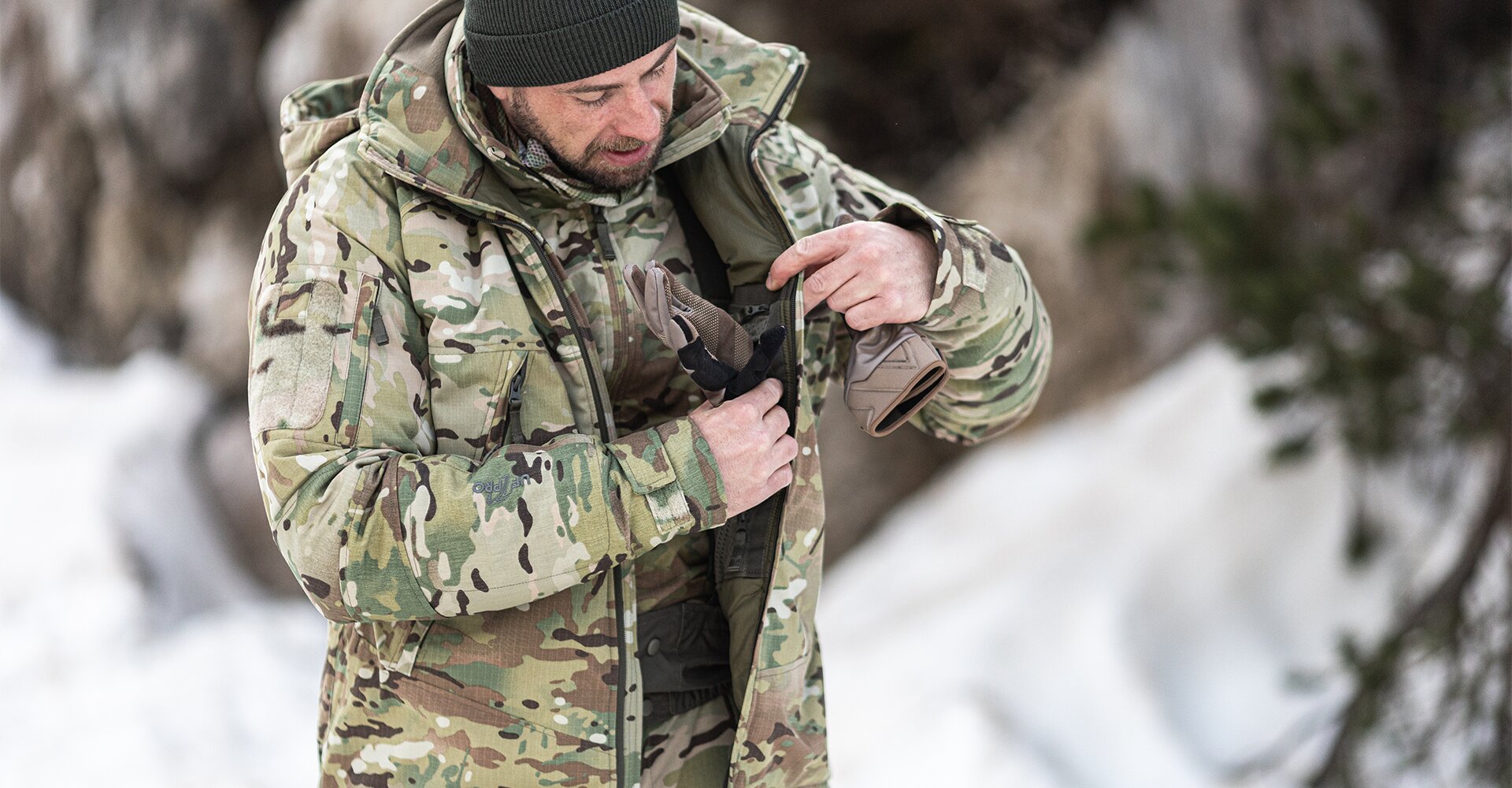
Transition to lightweight moisture-management systems earlier.
Lightweight synthetic or hybrid tactical base layers regulate temperature more efficiently during changing activity levels and dry significantly faster once movement intensity changes.
Knowing when to move away from heavy insulation is just as important as knowing when to deploy it. If you are unsure when winter insulation starts working against you instead of for you, read When to Retire Winter Insulation for Spring Layering.
Spring layering should prioritize moisture transfer and breathability, not maximum insulation.
Mistake #4: Forgetting About Your Head and Hands
You can have a well-balanced layering system on your torso and still overheat because of what you are wearing on your head and hands.
Why It Is a Problem
Heavy beanies and insulated gloves trap heat where your body naturally tries to cool itself.
Once overheating starts, your body compensates by increasing sweat production across the entire system.
The Fix
Switch to lighter accessories earlier than you think.
Breathable caps, lightweight neck gaiters, and unlined tactical gloves allow excess heat to escape without constantly removing core layers during movement.
Sometimes the fastest way to cool down is not opening your jacket. It is reducing trapped heat at the extremities.
Mistake #5: Waiting Until You Are Hot to Open Your Vents
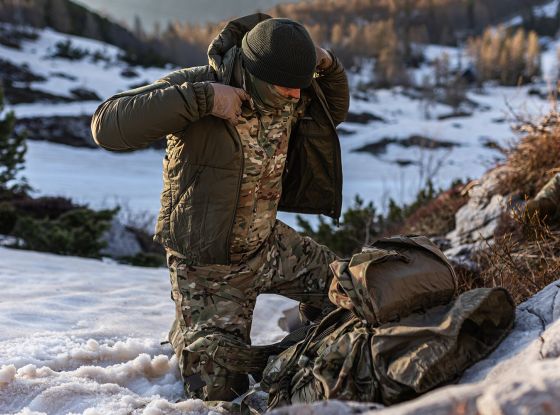
Most people wait until they already feel overheated before opening vents or removing layers. By then, the problem has already started.
Why It Is a Problem
Once sweat saturates your clothing system, insulation efficiency drops rapidly. Opening vents after overheating begins does far less than preventing heat buildup in the first place.
Moisture trapped inside your clothing continues affecting temperature regulation long after movement slows down.
The Fix
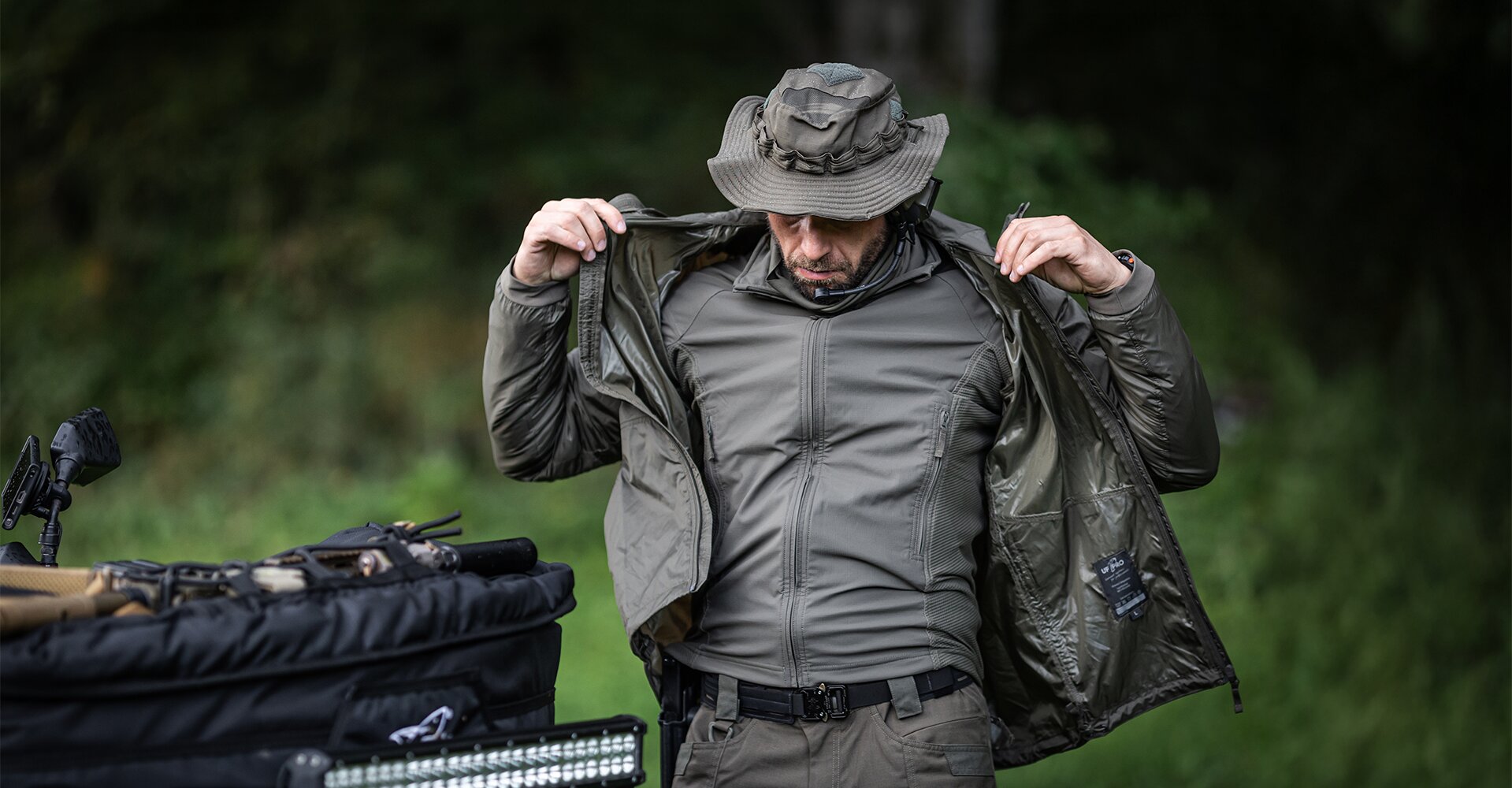
Think ahead. Open vents before climbs, movement phases, or heavy work starts. Dump heat early, then close the system again during halts to preserve warmth.
Good spring layering is proactive. If you wait until you already feel hot, you are usually reacting too late.
Mistake #6: Ignoring Lower-Body Heat Build-Up
Spring overheating does not only happen above the waist.
Why It Is a Problem
Heavy thermal bottoms under tactical pants become difficult to manage once movement intensity increases.
Unlike removing a jacket, stripping lower-body insulation mid-mission is rarely practical.
The result is overheating, sweat buildup, and unnecessary discomfort during long movements.
The Fix
Use tactical pants designed for active ventilation and adaptable layering.
Mechanical thigh vents allow you to dump excess heat quickly without changing clothing systems. Removable windproof linings also provide far more flexibility during changing spring conditions.
Adaptability matters more than maximum insulation. For colder environments or extended exposure, mission-specific layering systems still play an important role, especially when conditions shift between static and high-output movement. Learn more in the Mission-Specific Cold Weather Clothing Guide.
Mistake #7: Prioritising Looks Over Performance
This sounds simple, but many people still choose tactical clothing because a specific cut, camouflage pattern, or fabric looks right, even when it is poorly suited for changing spring conditions.
Why It Is a Problem
Spring conditions expose the difference between clothing designed for appearance and clothing designed for movement.
Heavy cotton garments, overly insulated layers, or low-breathability fabrics may feel comfortable at the start of the day, but once movement intensity increases, they start trapping heat and holding moisture inside the system.
The result is overheating during movement, slow drying during halts, and unnecessary discomfort throughout the mission. Clothing that cannot regulate moisture properly quickly becomes dead weight once conditions start changing.
What works for static range use or cold-weather setups often fails during sustained spring movement under load.
The Fix
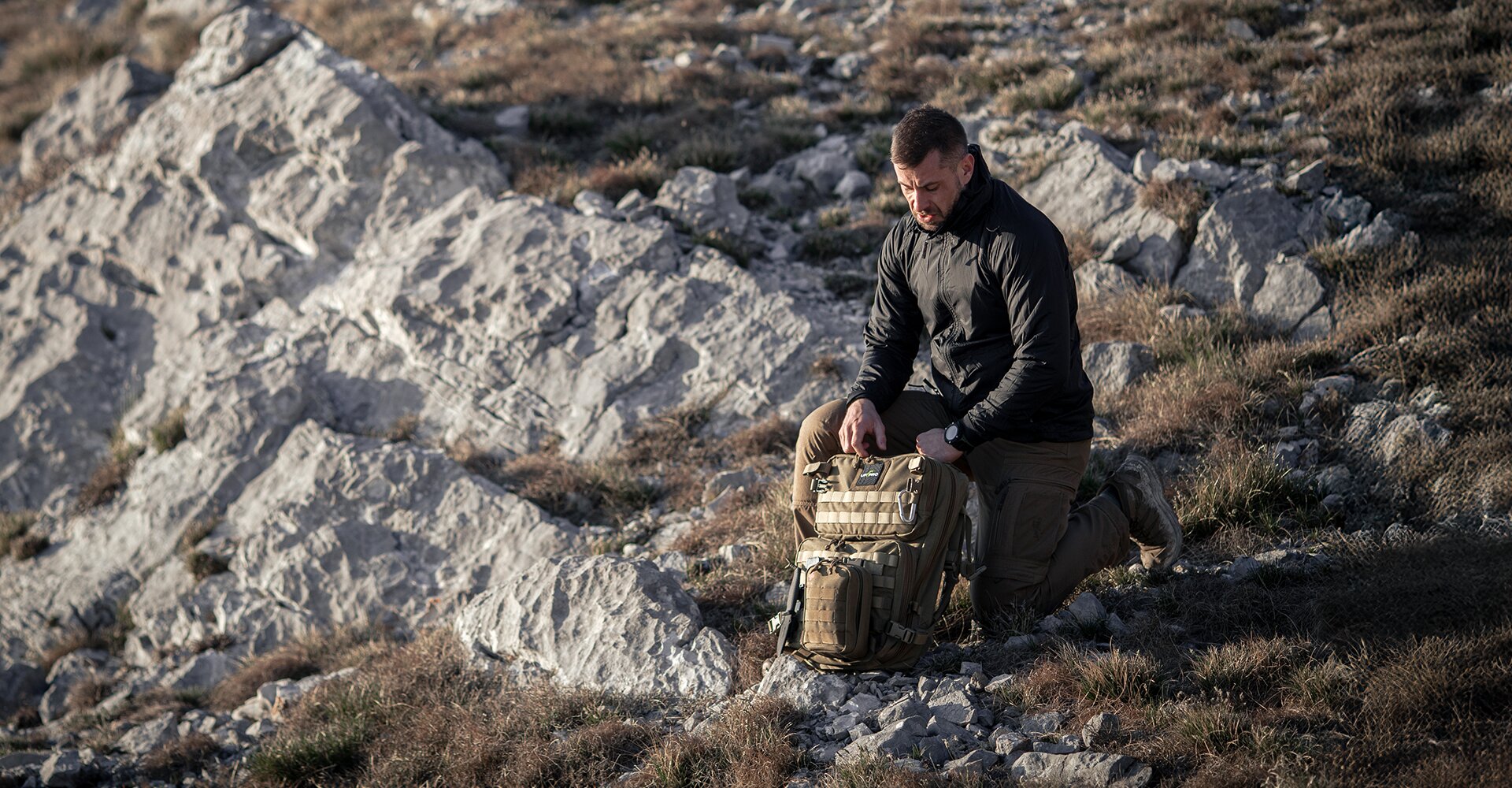
Focus on materials built for movement and moisture management.
Breathability, drying speed, stretch, and ventilation matter far more than appearance once operational tempo increases.
Field performance always exposes weaknesses faster than aesthetics.
Conclusion
Spring conditions punish poor layering decisions faster than almost any other season.
Cold mornings, rising daytime temperatures, wind exposure, sudden rain, repeated movement, and static periods constantly force your body to adapt. If you fail to manage heat and moisture early, you usually spend the rest of the day trying to recover from it.
The goal is not simply staying warm. The goal is maintaining a stable operating temperature without soaking your clothing system from the inside out. That means venting before overheating starts. Adjusting layers before sweat builds up. And treating your tactical clothing system as active equipment, not passive comfort.
Because once your layering starts fighting you, everything else becomes harder too.